





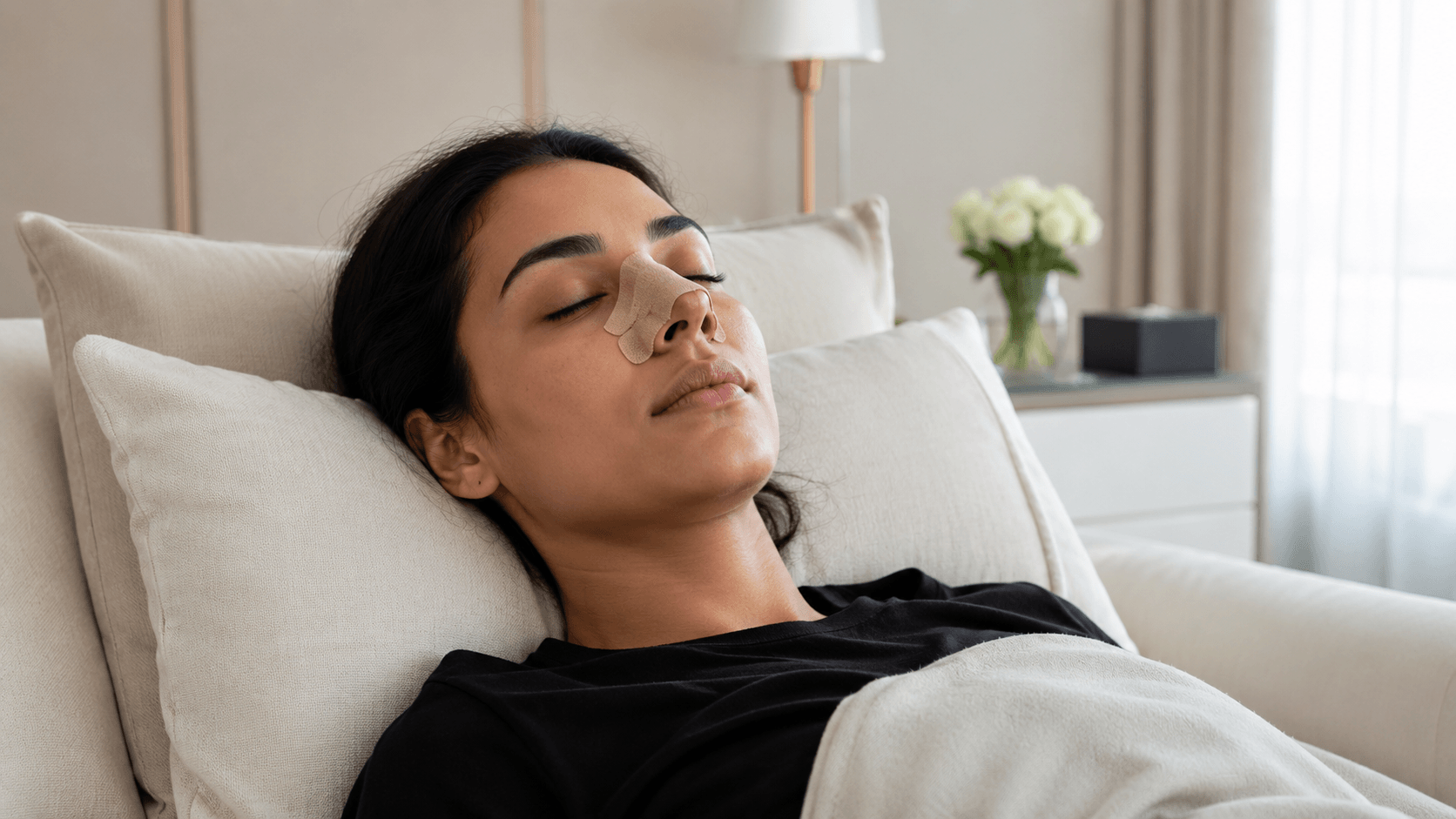
A Turkey nose job can be a life-changing procedure, but the quality of the final result depends not only on the surgery itself. Recovery habits matter just as much, especially during the first days and weeks when the nose is most vulnerable. Among all post-operative concerns, sleep is one of the most important and one of the most overlooked. Patients often focus on swelling, bruising, or when they can return home, yet the way they sleep after rhinoplasty can directly affect comfort, congestion, and early healing. That is why understanding how to sleep and heal comfortably after a Turkey nose job is an essential part of a successful recovery journey.
Rhinoplasty recovery is a gradual biological process rather than a quick cosmetic reset. The nose remains swollen internally and externally, the tissues need time to settle, and the airway can feel blocked even when the surgery has gone well. Cleveland Clinic notes that swelling varies from person to person and that final results can take time to appear, while the American Society of Plastic Surgeons also describes the first week as the period when swelling, bruising, and tenderness are usually at their peak.
Why Sleep Position Matters So Much After a Turkey Nose Job
After a Turkey nose job, the nose is healing in a delicate state. The bones, cartilage, soft tissue, and internal lining all respond to surgery with inflammation. This is why surgeons are so careful about pressure, head position, and facial swelling during early recovery. OHSU’s rhinoplasty post-operative guidance advises sleeping on the back with the head elevated, noting that sleeping on the side can cause the nose to swell more on the side that is down.
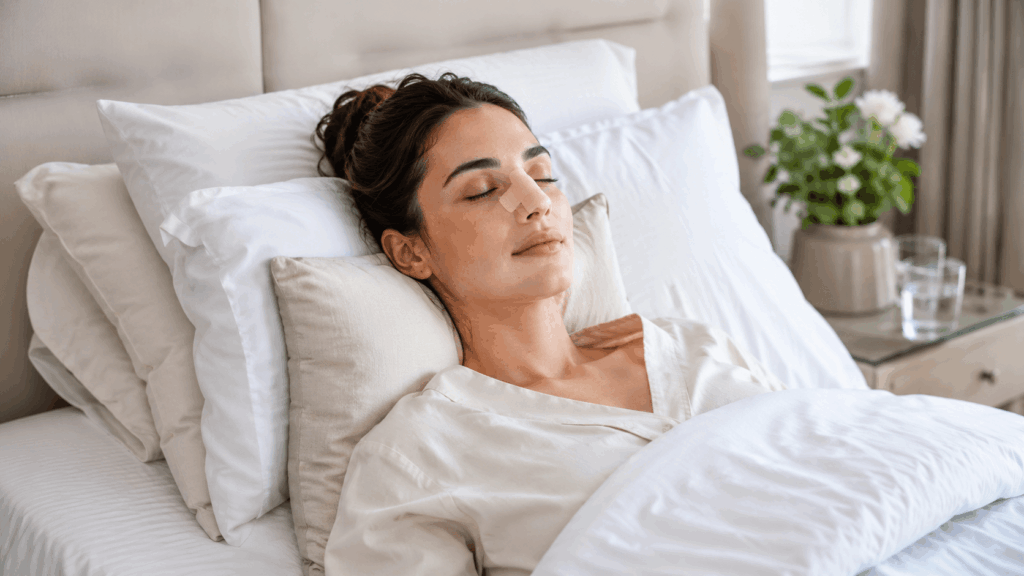
The reason this matters is not just cosmetic. When the head lies flat, fluid tends to accumulate more easily in the face, which can worsen swelling and congestion. A slightly elevated position can make patients feel more comfortable, breathe more easily through the mouth, and wake up with less pressure around the eyes and nose. For patients recovering from a Turkey nose job, sleeping well is not just about rest. It is part of swelling control and tissue protection.
The Best Way to Sleep in the First Days After Surgery
The first nights after a Turkey nose job are often the hardest. Patients may feel stuffy, tired, dry-mouthed from breathing through the mouth, and nervous about accidentally touching the nose while asleep. OHSU recommends sleeping on the back with the head elevated on two pillows, and even notes that a recliner can be ideal during the earliest phase.
For many patients, this is the most comfortable strategy because it reduces pressure on the nose and helps limit facial swelling. A Turkey nose job patient who normally sleeps on the side may find this adjustment frustrating at first, but it usually becomes easier after a few nights. The goal is not to create a perfect sleep setup. The goal is to create a safe one. In the first week, stability and protection matter more than convenience.
Why Back Sleeping Is Preferred
Back sleeping is generally preferred after rhinoplasty because it minimizes direct pressure and reduces the chance of accidental contact with the healing nose. OHSU’s instructions specifically recommend continuing to sleep on the back with the head slightly elevated for the next week after surgery.
This advice is especially relevant after a Turkey nose job because international patients often travel shortly after the operation and may feel tempted to return to their normal routine too quickly. A nose that looks better on the outside may still be very sensitive internally. Early healing is about protecting the new structure while the tissues are still adapting. Sleeping on the back supports that process by keeping the nose centered and avoiding unnecessary pressure from pillows, mattress contact, or facial turning during the night.
Why Side Sleeping and Stomach Sleeping Are Riskier Early On
Side sleeping may seem harmless, but it can place uneven pressure on the face and nose during a phase when even small forces matter more than usual. OHSU explicitly warns that sleeping on the side can make the “down” side swell more.
Stomach sleeping is even less ideal after a Turkey nose job because it increases the risk of direct nasal pressure or accidental impact. Even if a patient does not fully press their face into the pillow, the position tends to create instability and makes it easier to bump the nose unconsciously. For the early recovery period, the safest principle is simple: the less pressure and the less movement around the nose at night, the better.
Managing Congestion and Dryness While You Sleep
One of the biggest reasons sleep feels uncomfortable after a Turkey nose job is nasal congestion. This can make patients think something is wrong, when in reality temporary blockage is very common in early recovery. Several hospital and clinic recovery instructions note that internal swelling, crusting, and dryness can make the nose feel blocked during the first phase after rhinoplasty, while saline can help keep the nasal lining moist and more comfortable. OHSU specifically advises saline use because surgery dries the nasal lining and states that saline helps reverse that dryness.
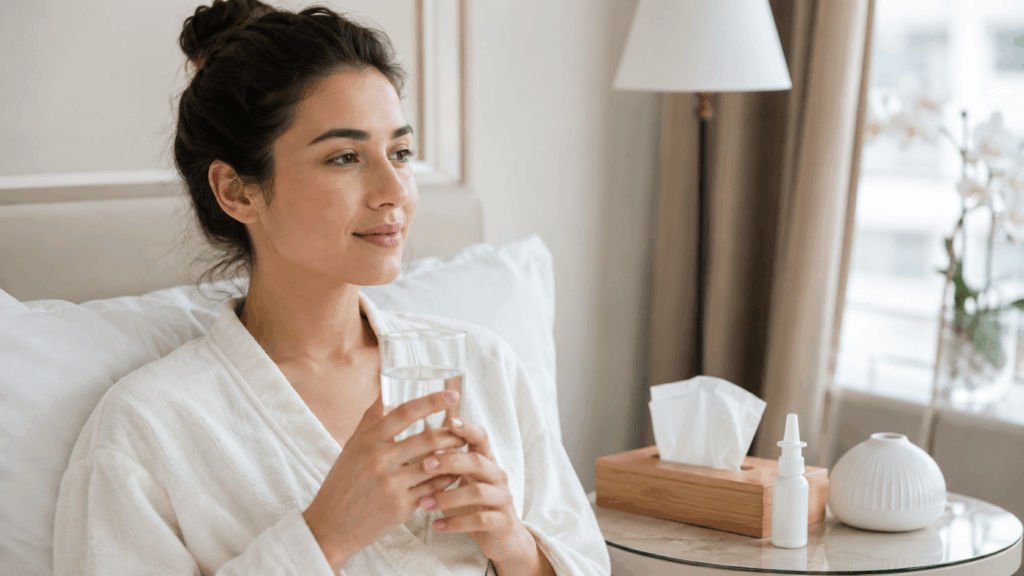
This matters at night because a dry, stuffy nose can make sleep fragmented and uncomfortable. A patient healing from a Turkey nose job often sleeps better when the nasal passages are kept gently moist according to surgeon instructions, rather than repeatedly touching, wiping, or trying to force air through the nose. The key idea is comfort through gentle care, not aggressive clearing.
Why You Should Be Careful With Nose Blowing and Facial Pressure
Many patients recovering from a Turkey nose job instinctively want to blow their nose when they feel blocked, especially at night. Yet post-operative instructions commonly advise caution with nose blowing in the early phase because the tissues are still healing. Guidance varies by surgeon and technique, which is exactly why patients should follow their own surgeon’s timeline first. Some hospital and post-op sources recommend avoiding nose blowing altogether for a period, while others allow only very gentle blowing after an initial interval.
From a comfort perspective, this means healing is easier when the patient avoids forceful habits. Rubbing the nose, pressing it into the pillow, or trying to clear it too aggressively can increase irritation. Comfortable recovery after a Turkey nose job usually comes from protecting the nose, keeping the lining moist, and allowing congestion to ease gradually as swelling improves.
How to Reduce Swelling and Feel More Comfortable at Night
Swelling is one of the main reasons patients sleep poorly after a Turkey nose job. The face can feel full, the eyes heavy, and the nose tight. Early cold compress guidance usually focuses on the eyes and forehead rather than placing pressure directly on the nose. Post-operative instructions from surgical centers commonly recommend cool compresses for the first couple of days and elevation during sleep to decrease swelling.
This reflects an important principle. Comfort after rhinoplasty comes from reducing inflammation indirectly and gently. Good rest, head elevation, hydration, and adherence to medication instructions are usually more helpful than over-handling the nose. Patients often feel a little better each night once the most intense first days have passed, but the improvement is progressive rather than immediate.
Healing Comfortably Is About the Whole Routine, Not Just Sleep
Although sleep position is central, comfortable healing after a Turkey nose job also depends on what happens before bed and during the day. The American Society of Plastic Surgeons notes that patients generally need a week away from work or real activity in the immediate phase, and Cleveland Clinic also states that many people return to work or school in one to two weeks depending on healing.
This matters because exhaustion, dehydration, overactivity, and poor routine can all make nights harder. A patient who pushes too fast during the day may notice more throbbing, swelling, or restlessness at night. Comfortable healing usually comes from respecting recovery as a full-time process in the beginning. A Turkey nose job is not just about sleeping in the right position. It is about living in a way that supports healing while the body is doing deep repair work.
What to Expect During the First Week of Sleep and Recovery
The first week after a Turkey nose job is usually the phase when patients feel the biggest gap between how they want to sleep and how they should sleep. The splint is often still in place, bruising may still be visible, and mouth breathing can interrupt rest. The American Society of Plastic Surgeons says bruising and tenderness often improve within the first week or two, while hospital guidance commonly explains that the splint remains in place for about a week.
This is why patience is essential. The early nights are temporary. A Turkey nose job recovery usually becomes more comfortable once the first week passes, the splint is removed, and swelling begins to soften. Yet even after visible improvement, the nose is still healing, so patients should not treat early comfort as complete recovery.
When Sleep Starts Feeling More Normal Again
For most patients, sleep starts to feel more normal after the earliest recovery window, when bruising is less intense and the pressure around the eyes begins to settle. OHSU advises back sleeping with elevation for the next week, but many surgeons recommend remaining cautious beyond that initial period depending on the specific surgery and the stability of healing.
The practical takeaway is that a Turkey nose job recovery should move from strict protection to gradual normalization, not from surgery straight back to old habits. If the nose still feels tender, congested, or easily irritated, that is a sign to continue being careful. Healing comfort usually improves in stages, and sleep often follows the same pattern.
Final Thoughts on How to Sleep and Heal Comfortably After a Turkey Nose Job
Sleeping and healing comfortably after a Turkey nose job is not about finding a luxury recovery trick. It is about respecting the biology of rhinoplasty. In the first days and week, back sleeping with the head elevated is widely recommended because it helps protect the nose and reduce swelling, while side sleeping can increase swelling on the side that is down. Saline-based moisture support, gentle recovery habits, and avoiding unnecessary pressure can also make healing more comfortable.
The broader lesson is that comfort and healing are closely connected. Patients usually recover more smoothly when they protect the nose at night, accept temporary congestion as part of the process, and understand that the first uncomfortable phase is short-lived. A Turkey nose job can deliver excellent results, but the nose needs calm, protected recovery to settle well.
The best sleep position after a Turkey nose job is usually the one that gives the healing nose the least stress. In early recovery, that almost always means sleeping on your back, keeping your head elevated, and letting time do its work.
