





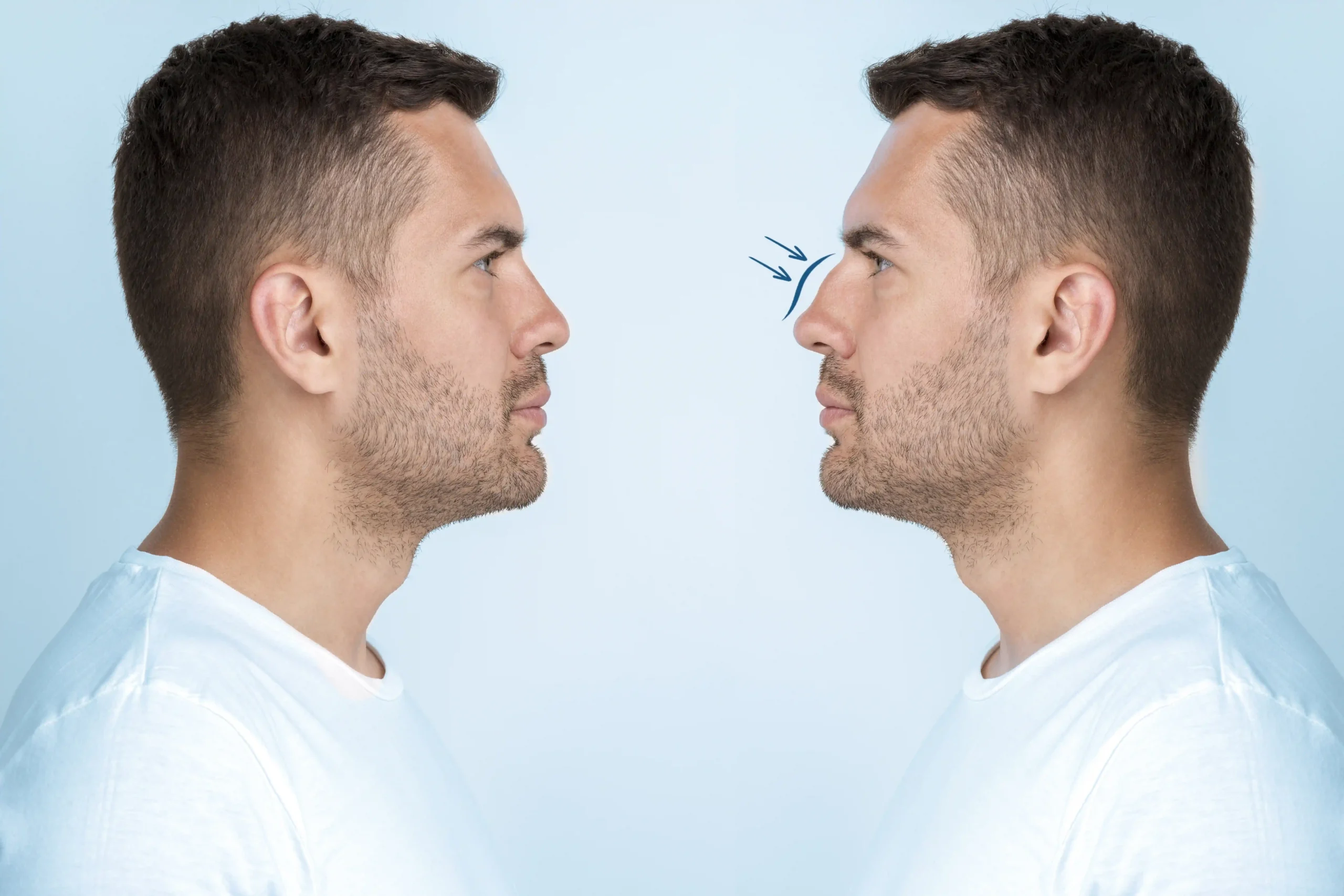
Best season to book for rhinoplasty in Turkey is usually the first question patients ask, and for good reason. Timing affects everything. Your comfort after surgery. How easy travel feels. Even how smoothly swelling goes down. Turkey welcomes thousands of international rhinoplasty patients every year, and the season you choose can shape the entire experience.
This guide breaks it all down in plain language. You will learn which season suits which type of patient, how recovery changes through the year, and how far ahead you should plan. By the end, you will know exactly when booking rhinoplasty in Turkey makes the most sense for you.
Why Choose Turkey for Rhinoplasty?
Turkey has become one of the most trusted destinations for nose surgery worldwide. Patients do not come only for prices. They come for results, experience, and consistency.
International Reputation of Turkish Plastic Surgeons
Turkish surgeons are known for their deep experience in facial aesthetics, especially rhinoplasty. Many perform hundreds of nose surgeries every year, including primary and revision cases. This volume builds skill, judgment, and confidence.
Surgeons such as Dr. Cem Altindag are widely respected for natural-looking results and advanced techniques. Patients often travel specifically to Turkey because they want subtle changes that still fit their face, not an overdone look.
Cost Advantages Compared to the UK, US, and Europe
Rhinoplasty in Turkey typically costs a fraction of what patients pay in the UK or US. The price difference does not come from lower quality. It comes from lower operating costs and currency advantages.
Most packages include surgery, hospital stay, medications, transfers, and aftercare. This makes budgeting easier and removes surprise expenses during recovery.
Medical Tourism Standards and Accredited Clinics
Turkey has invested heavily in medical tourism. Many clinics follow international protocols and operate in fully accredited hospitals. English-speaking coordinators guide patients step by step, from airport pickup to final check-up.
This structure is especially helpful for patients traveling alone or for the first time.
Popular Cities for Rhinoplasty in Turkey
Istanbul is the top choice due to surgeon availability and hospital infrastructure. Antalya and Izmir are also popular for patients who want a quieter environment or seaside recovery.
Each city offers high standards, but Istanbul provides the widest choice of surgeons and appointment dates.
Best Season to Book Rhinoplasty in Turkey
Choosing the best season to book for rhinoplasty in Turkey depends on weather, travel comfort, and your personal schedule. Each season has clear advantages.
Rhinoplasty in Spring: Ideal Weather and Comfortable Recovery
Spring is often considered the best time for rhinoplasty in Turkey. Temperatures are mild, humidity is low, and days are pleasant without being hot.
Swelling feels easier to manage in cooler air, and walking outside does not feel exhausting. Flights are also more comfortable, especially for long-haul travelers.
Spring is a strong choice for patients who want balance. Good weather, reasonable prices, and smooth recovery conditions.
Rhinoplasty in Summer: Pros, Cons, and Heat Considerations
Summer is popular because people have time off work or school. However, heat can make recovery slightly less comfortable.
High temperatures may increase swelling and fatigue. Patients must stay indoors more and avoid sun exposure carefully. On the plus side, surgeon schedules are still flexible early in summer, especially June.
Summer rhinoplasty works best for patients who can rest indoors and follow aftercare rules closely.
Rhinoplasty in Autumn: Peak Season for International Patients
Autumn is another top contender for the best season to book for rhinoplasty in Turkey. The weather cools down, travel becomes easier, and swelling often settles faster.
September to November is peak season. Surgeons book quickly, and popular doctors may have waiting lists. If you want autumn surgery, booking early is essential.
Rhinoplasty in Winter: Lower Prices and Easier Surgeon Availability
Winter offers advantages many patients overlook. Prices are often lower, flights are cheaper, and surgeon availability improves.
Cold weather helps with swelling, but shorter days and rain may limit outdoor walks. Winter is ideal for patients focused on budget and surgeon access rather than sightseeing.
Best Time of Year for Rhinoplasty Based on Recovery Needs

Your recovery style matters as much as the calendar.
Weather Impact on Post-Surgery Healing
Cool and stable temperatures reduce inflammation. This is why spring, autumn, and winter often feel easier during the first two weeks.
Heat does not ruin results, but it demands more discipline. Hydration, indoor rest, and sun protection become critical.
Travel Comfort During Recovery
Long flights feel more comfortable in cooler months. Cabin dryness still affects swelling, but mild weather helps once you land.
Patients traveling from the UK, Europe, or the Middle East often prefer spring or autumn for smoother travel days.
Managing Swelling in Different Seasons
Swelling peaks during the first week regardless of season. However, heat can prolong visible puffiness.
Cold weather supports faster reduction, especially around the nose tip and under-eye area.
How Far in Advance Should You Book Rhinoplasty in Turkey?
Timing your booking is as important as choosing the season.
High-Demand Months and Surgeon Availability
September, October, April, and May are high-demand months. Top surgeons fill their schedules fast.
If you want a specific surgeon, booking three to six months ahead is smart.
Booking Timeline for International Patients
Most international patients book flights after securing their surgery date. This avoids stress and price spikes.
Clinics usually help with hotel planning and airport transfers once dates are confirmed.
Last-Minute Rhinoplasty Bookings: Is It Possible?
Yes, especially in winter or early summer. Some clinics can accommodate short-notice patients, but choice may be limited.
Last-minute bookings work best for flexible travelers.
Rhinoplasty Recovery Timeline Explained
Understanding recovery removes anxiety.
First Week After Rhinoplasty
The first week is all about rest, protection, and early healing. Your nose will be covered with a splint, and sometimes internal supports or soft packing are used for the first few days. Swelling and bruising around the eyes and cheeks are normal and often peak between days two and four.
You may feel congested or blocked. This is usually from swelling rather than true breathing issues. Mild discomfort, pressure, and fatigue are common, but most patients manage well with prescribed medication.
During this period:
- Keep your head elevated, even while sleeping
- Avoid bending forward or lifting anything heavy
- Eat soft, low-salt foods to limit swelling
- Clean around the nose gently as instructed by your surgeon
Most patients who travel for surgery remain in Turkey during this week so their surgeon can monitor healing and remove the splint around day 6 or 7. Once the splint comes off, you’ll see an early version of your new nose, though it will still be quite swollen.
First Month of Healing

By the second week, swelling and bruising begin to settle noticeably. Many people feel comfortable returning to social activities and work within 10 to 14 days, especially if their job isn’t physically demanding.
Breathing typically improves as internal swelling decreases. You can start gentle daily routines again, but strenuous activity should still be avoided. Light walks are encouraged because they support circulation and reduce stiffness.
You might still notice:
- Morning swelling
- Numbness at the tip of the nose
- A firm or tight feeling in the nasal skin
These are normal and gradually improve. Makeup can usually be worn after the splint is removed, and glasses may need to be taped or supported to avoid pressure on the nose.
Long-Term Recovery and Final Results
True final results take time. Most noses settle between six and twelve months, and sometimes longer for complex or revision cases. The tip is always the slowest area to refine because the skin there is thicker and holds swelling longer.
An experienced surgeon plans for this long-term healing from the start. The goal isn’t just how the nose looks when the splint comes off, but how it will settle months later once swelling fully resolves.
Patience is key. Small changes continue for many months, often so gradually that you only notice them when comparing photos over time.
Essential Rhinoplasty Recovery Tips
Good habits speed healing.
Reducing Swelling and Bruising Faster
Cold compresses around the eyes during the first 48 hours help minimize bruising. Gentle walking improves circulation and can reduce puffiness. Sleeping with your head elevated for at least two weeks makes a big difference in swelling control.
Limiting salty foods early on can also help prevent fluid retention.
Sleeping Positions After Rhinoplasty
Sleep on your back with your head elevated using extra pillows or a wedge pillow. This position protects the nose and reduces pressure. Try to avoid side sleeping for at least two weeks, or longer if advised.
Nutrition and Hydration for Healing
Healing requires energy and nutrients. Focus on:
- Protein for tissue repair
- Fruits and vegetables for vitamins
- Plenty of water for circulation
Avoid alcohol and smoking completely during recovery. Both can slow healing and increase swelling.
Activities to Avoid During Recovery
For the first few weeks:
- No heavy lifting
- No intense workouts
- No saunas or steam rooms
- No direct sun exposure on the nose
Sun exposure can worsen swelling and affect scar healing, so use sunscreen and a hat once you’re cleared to go outside normally.
Travel and Aftercare Tips for International Patients
Planning ahead makes everything easier.
How Long to Stay in Turkey After Rhinoplasty
Most surgeons recommend staying in Turkey for about 7 to 10 days after rhinoplasty. This timeframe covers the most important early healing period and allows your surgical team to monitor progress closely.
During this stay:
- The first few days are for rest and swelling control
- Internal supports, if used, are removed within the first few days
- The external splint usually comes off around day 6 or 7
- Your surgeon checks healing and confirms that everything looks stable
Staying nearby also gives you quick access to your clinic if you have questions or concerns. Even though complications are uncommon, it’s reassuring to have direct support during the first week.
Some patients choose to stay slightly longer, especially if they want extra time to feel comfortable before traveling or if their recovery is more involved.
Flying After Nose Surgery: What You Should Know
Flying home is usually safe after about one week, once the splint has been removed and your surgeon confirms you’re ready. Cabin pressure does not damage the surgical result, but you may notice temporary swelling during travel.
Before flying:
- Get clearance from your surgeon
- Pack light or arrange luggage assistance
- Bring saline spray and any prescribed medication
- Carry a neck pillow to keep your head supported
During the flight:
- Stay well hydrated
- Avoid alcohol and very salty foods
- Walk briefly every couple of hours on long flights
- Keep your head elevated as much as possible
It’s normal for the nose to feel more swollen for a day or two after landing. This usually settles quickly once you’re back home and resting.
Follow-Up Appointments and Remote Aftercare
After you return home, follow-up care continues remotely. Many surgeons schedule online check-ins to track healing and answer questions as swelling changes over time.
Typical follow-up schedule:
- First virtual check within a few weeks of returning home
- Photo updates at one month, three months, and six months
- Additional check-ins if needed
You may be asked to send clear photos from different angles in natural lighting. This allows your surgeon to monitor swelling, symmetry, and overall healing.
If anything feels unusual, you can usually contact the clinic directly for guidance. Most concerns can be managed with reassurance and simple adjustments to aftercare.
Final Thoughts on Choosing the Best Season
The best season to book for rhinoplasty in Turkey depends on your priorities. Spring and autumn offer the best balance. Winter offers savings and availability. Summer works with planning and discipline.
Choose the season that fits your lifestyle, recovery needs, and schedule. When paired with an experienced surgeon and proper aftercare, any season can lead to excellent, natural results.
Common Questions About Rhinoplasty in Turkey
Is Rhinoplasty in Turkey Safe?
Yes, when performed by qualified surgeons in accredited hospitals. Research your surgeon carefully.
How Much Does Rhinoplasty Cost in Turkey?
Prices vary but are often 50 to 70 percent lower than in Western countries, even with travel included.
Does Season Affect Rhinoplasty Results?
No. Results depend on surgeon skill and aftercare. Season mainly affects comfort and logistics.
Can I Combine Rhinoplasty With a Holiday?
Light sightseeing is possible after the first week. Full holidays should wait until swelling decreases.
