





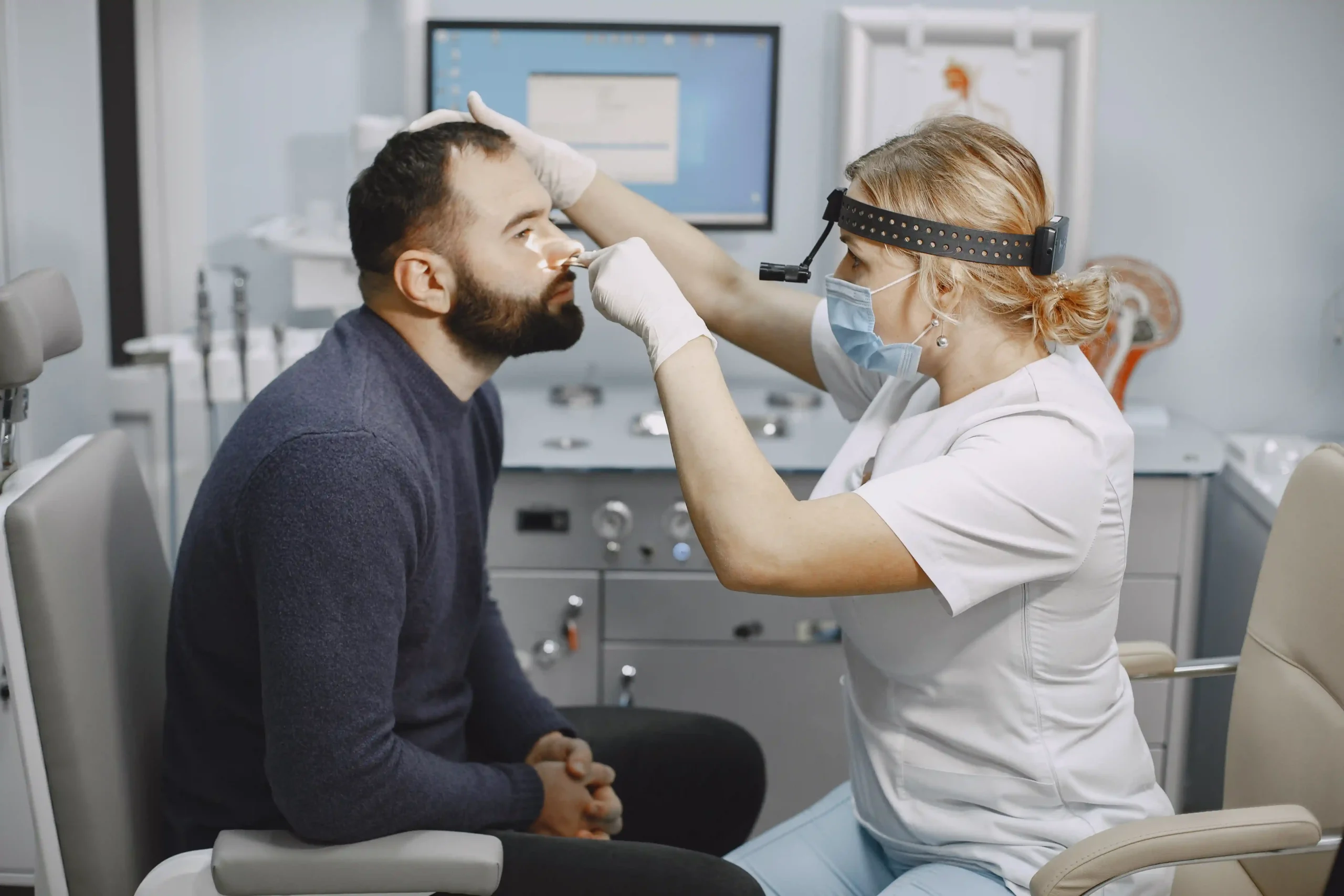
A primary rhinoplasty can be emotionally loaded. A revision is different. By the time most patients start looking into a second surgery, they are not chasing perfection. They want relief. They want a nose that looks and functions the way it should have the first time.
That is why revision rhinoplasty recovery deserves a more honest conversation than the usual “back to normal in a week” pitch. Yes, you may look socially presentable faster than you think. No, that does not mean the healing is finished. In revision cases, swelling can be more stubborn, scar tissue can make the nose feel firmer for longer, and the final result often takes more patience than a primary rhinoplasty.
This blog walks you through what recovery usually looks like after revision surgery, what is normal, what is not, and how to set expectations without spiraling every time the mirror changes.
Does Revision Rhinoplasty Recovery
Revision rhinoplasty recovery usually takes longer than recovery after a first nose surgery. Most patients get through the first bruising and splint phase in 1 to 2 weeks, but residual swelling, firmness, and tip refinement can continue for 9 to 12 months or longer, especially when scar tissue or cartilage grafts are involved.
Why Secondary Rhinoplasty Recovery is Usually Slower
Because of the scar tissue. Basically revision surgery starts with a nose that has already been operated on once, and sometimes more than once.
That changes the playing field. During secondary rhinoplasty surgeons often face distorted anatomy, reduced blood supply, scarring, and a less flexible soft-tissue envelope. In plain English, the tissue does not behave like untouched tissue. It can swell more, settle more slowly, and respond less predictably.
There is also the graft issue. In revision cases, surgeons frequently need cartilage to rebuild support, restore contour, or improve breathing. A PubMed Central review states that autogenous cartilage grafts remain the primary choice in revision rhinoplasty because they integrate well and have low infection and extrusion rates. That is good news for long-term support, but it can add complexity to healing.
Imagine you are renovating an old building instead of designing a new one from an empty lot. You are not just building. You are correcting, reinforcing, and working around what is already there. That is revision healing in a nutshell.
Revision Rhinoplasty Recovery Timeline: What Happens When
This is the part most patients want. Fair enough. Let’s make it practical.
Days 1 to 3: Pressure, Congestion, Swelling, Fatigue
The first few days after revision surgery are rarely about pain in the dramatic sense. They are more about pressure, blockage, dryness, and feeling wiped out.
If you are staying in Turkey after surgery, this is usually the hotel-room phase. You rest, hydrate, keep your head elevated, and follow your medication plan closely. Not glamorous. Very important.
Days 4 to 7: Peak Swelling and Splint Protection
This is often when patients look the most swollen. Swelling and bruising are often at their most visible around this period, then begin to plateau.
This is also why you should not judge the result early. Not even a little. What you see at day 5 is mostly your body reacting to surgery, not your final nose.
Week 2: The Face Looks Better Before The Nose is Better
By the second week, many patients feel much more human. Bruising usually improves a lot, the splint may be off, and you may be able to leave the hotel or return to desk work depending on how you look and feel. NHS guidance says many people may need up to 2 weeks off work after rhinoplasty, which is a useful benchmark for international patients planning time away.
Here is the catch: you may feel relieved and then get anxious because the nose still looks too big, too hard, too uneven, or too upturned. In revision cases, that is common. Early swelling can exaggerate asymmetry and hide definition.
Weeks 3 to 6: Visible Improvement, Hidden Healing
This is when the nose starts to look more socially normal. Many patients look unnoticeable to others around 10 to 14 days, bruising, swelling, and redness may have faded by about 3 weeks and strenuous exercise often resumes around 4 to 6 weeks.
That does not mean you are fully healed. It means the recovery has become less obvious to other people. Big difference.
For revision nose job recovery, this phase can feel mentally tricky. You are well enough to stare at your nose constantly, but still too early to know what is temporary.
Months 2 to 3: The “Is This Normal?” Phase
This is probably the most misunderstood part of the revision rhinoplasty recovery timeline. By now, most of the dramatic swelling is gone, but subtle swelling remains. Swelling decreases over the first four to six weeks, continues after three months, and complete healing is often around one year.
In revision patients, tip swelling often lingers longer than bridge swelling. At this stage, the nose may look different from week to week. One side may seem fuller in the morning. The tip may look boxy in one light and sharper in another. That is frustrating, but often normal.
Months 4 to 6: Refinement Starts, Impatience Kicks In
By this point, many patients feel stable in daily life. Photos look better. Makeup or glasses are less of an issue if your surgeon clears them. But revision noses still keep changing.
A stable outcome assessment should ideally happen no sooner than 12 months, and the panel considered 12 months the minimal acceptable time for a reasonable stable assessment of nasal appearance. That is a critical expectation-setting point.
To be honest, this single point is where many patients save themselves a lot of panic. If expert guidance says the final assessment should not happen before 12 months, then week 14 is not the time to decide something has failed.
Months 9 to 12 and beyond: The Real Result Emerges
Swelling after revision rhinoplasty may take 9 to 12 months to resolve, with the final form appearing gradually over that period. Subtle settling can continue even longer in tougher cases.
That longer horizon makes sense in revision surgery. Scar tissue remodels slowly. Grafted structures need time to settle. The skin envelope needs time to drape and soften.
Aftercare That Actually Helps Corrective Nasal Surgery Recovery
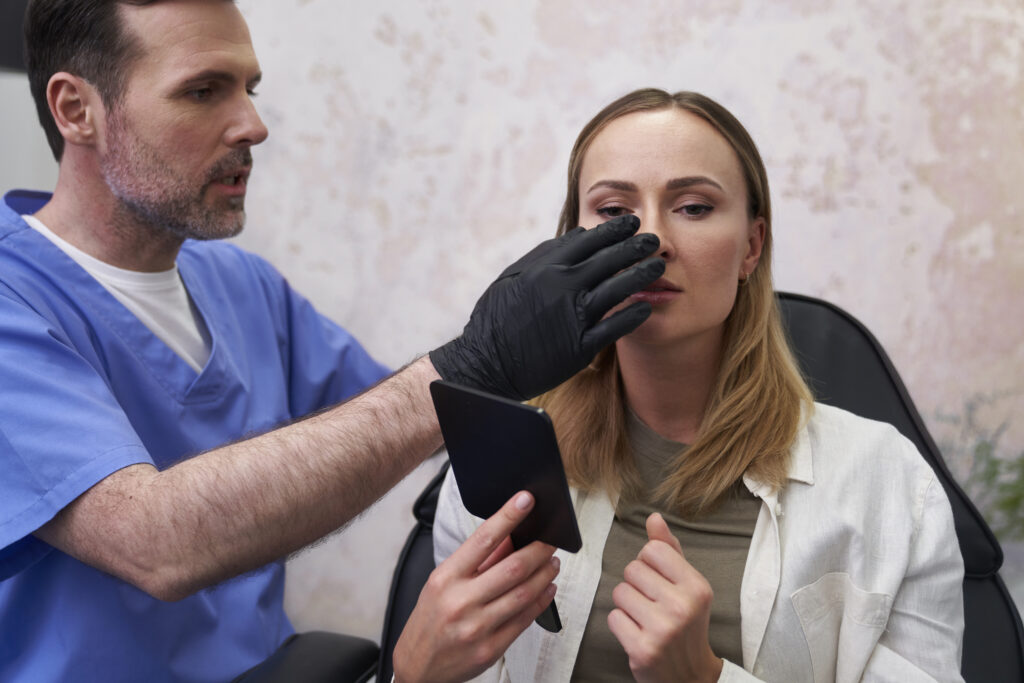
Head elevation, avoiding nose blowing until cleared, protecting the nose from pressure, and limiting strenuous activity are all important for revision rhinoplasty aftercare. Also you should avoid nose blowing until the splint is removed and strenuous exercise or contact sports for 4 to 6 weeks.
The bigger point for corrective nasal surgery recovery is compliance. Revision patients do not benefit from improvising. This is not the time to test whether your nose can handle a crowded tram, an intense gym session, or sleeping face-down because you are tired of the travel pillow.
A Practical Aftercare Checklist for Revision Rhinoplasty
Keep this simple:
- Sleep with your head elevated
- Take medications exactly as directed
- Avoid heavy lifting, bending, hot showers if your surgeon warns against them, and anything that increases facial pressure early on
- Do not blow your nose until cleared
- Keep every follow-up, even the virtual ones
- Protect the nose from accidental impact around kids, pets, gyms, and airports
What is Normal, and What Deserves a Call to Your Surgeon?
Normal does not always feel normal. That is part of the problem.
Usually normal:
- Congestion that lingers for weeks
- Swelling that shifts during the day
- Asymmetry that improves slowly
- A firm or numb-feeling tip early on
- Emotional ups and downs while the nose changes
Worth contacting your surgeon promptly:
- Heavy bleeding that does not settle
- Fever or signs of infection
- Worsening pain not controlled by prescribed meds
- Sudden major asymmetry or swelling spike
- Shortness of breath or chest symptoms
The Mistake Patients Make Most During Revision Rhinoplasty Recovery
They start judging the outcome too early.
I get it. You waited months, spent serious money, maybe flew to another country, and now you want answers from the mirror every morning. But revision healing is not linear. One side can look worse before it looks better. The tip can stay swollen far longer than you expected. The bridge can seem done while the lower third is still changing.
That is exactly why you should wait for at least 12 months before outcome assessment. 12 months is the earliest reasonable point for a stable appearance assessment.
So no, you are not being dramatic if week 8 feels frustrating. But you do need to separate discomfort from danger, and impatience from a real problem.
Final Thoughts
Revision rhinoplasty recovery is usually longer, slower, and less predictable than recovery after a first nose surgery. That does not mean something is wrong. It means revision healing demands patience, close follow-up, and realistic expectations, especially when scar tissue and grafting are part of the plan.
If you are considering revision surgery in Turkey, choose a surgeon who talks about healing with precision, not just before-and-after photos. Then give the result the time it actually needs. Your future self will thank you for not trying to read the ending from chapter one.
FAQ SECTION
How long does revision rhinoplasty recovery take compared with primary rhinoplasty?
Usually longer. Most patients move through the first visible recovery stage in 1 to 2 weeks, but revision swelling and tissue settling often take 9 to 12 months or longer. That is because revision surgery deals with scar tissue, altered anatomy, and sometimes structural grafting.
When can I travel home after revision rhinoplasty in Turkey?
Many international patients stay around a week or slightly longer so the surgeon can monitor the early phase and remove the splint if needed, but the right timeline depends on your procedure and your surgeon’s protocol. Do not book return travel based only on a package ad. Follow the actual postoperative plan.
Is swelling worse after a revision nose job?
In many cases, yes. Revision patients often have more scar tissue and less pliable nasal tissue, which can make swelling last longer and settle less evenly at first. The tip is especially prone to lingering firmness and puffiness.
What week is the hardest during revision nose job recovery?
For many patients, the hardest stretch is the first week physically and the second to eighth weeks mentally. The physical discomfort is usually worst early, when swelling and congestion peak. Later, the harder part is uncertainty because you look better but are still far from the final result.
When should I worry that my revision rhinoplasty is not healing properly?
Call your surgeon if you have heavy bleeding, fever, worsening pain that is not controlled, sudden severe swelling, or any symptom that feels sharply worse instead of gradually better. Those deserve real evaluation, not internet reassurance.
How long until the final revision rhinoplasty result is visible?
A realistic answer is around 9 to 12 months for many patients, sometimes longer in more complex cases. Major guidelines also support waiting at least 12 months before making a stable assessment of the final appearance.
